MODS CLINIC Apgujeong · Stem Cell & Anti-Aging Plastic Surgery


Medical Guide
Liposuction Recovery: Do's and Don'ts for Patients
Navigate liposuction recovery with essential do’s and don’ts, healing tips, timelines, and aftercare guidance. Learn how to recover safely and confidently.
Schedule a ConsultationUnderstanding the Condition: Why Localized Fat Resists Diet and Exercise
Many patients seeking liposuction have already tried diet and exercise without success in specific areas such as the abdomen, flanks, thighs, arms, or chin. Localized fat deposits are influenced by genetics, hormones, and individual fat cell distribution, meaning certain areas can retain fat even when overall body weight is well managed.
Liposuction addresses this by mechanically removing fat cells from targeted areas, which lifestyle changes alone cannot always achieve. Once mature fat cells are removed from a treated area, they do not regenerate there, which is part of why results are generally long-lasting when body weight remains stable afterward.
It's important to understand that liposuction is a body contouring procedure, not a weight-loss treatment. It is most effective for patients already close to a stable, healthy weight but with specific areas of concern that have proven resistant to conventional efforts.
How Liposuction Works: Treatment Explanation
Liposuction uses a thin, hollow cannula inserted through small incisions to break up and suction out fat cells from beneath the skin. Before extraction, a tumescent fluid — saline, local anesthetic, and a vasoconstrictor — is often infused into the area, reducing bleeding and bruising and allowing more controlled fat removal.
Depending on the area and patient goals, liposuction may be combined with energy-based technologies, such as ultrasound or radiofrequency devices, to support skin tightening — particularly relevant for patients with moderate skin laxity. The procedure is typically performed under sedation or general anesthesia, depending on scope.
At MODS CLINIC, treatment planning begins with a diagnostic assessment — evaluating fat distribution, skin elasticity, and body structure — before determining the appropriate technique, ensuring the plan matches the patient's actual anatomy rather than a standardized method.
Who Is a Suitable Candidate for Liposuction
Good candidates for liposuction generally share the following characteristics:
Stable body weight, ideally close to their target weight
Localized fat deposits that have not responded well to diet and exercise
Reasonably good skin elasticity, which supports smoother skin retraction after fat removal
General good health, with no uncontrolled medical conditions that would increase surgical risk
Realistic expectations about contouring rather than significant weight loss
Patients with significant loose or sagging skin, certain circulatory conditions, or unmanaged chronic illnesses may need additional evaluation or alternative approaches. Individuals with a history of blood clotting disorders or uncontrolled diabetes are typically advised to address these first, and smokers are often asked to pause well before and after the procedure since nicotine can impair circulation. A thorough in-person consultation and medical history review — including current medications — is essential before any surgical decision is made.
The Procedure Process at MODS CLINIC
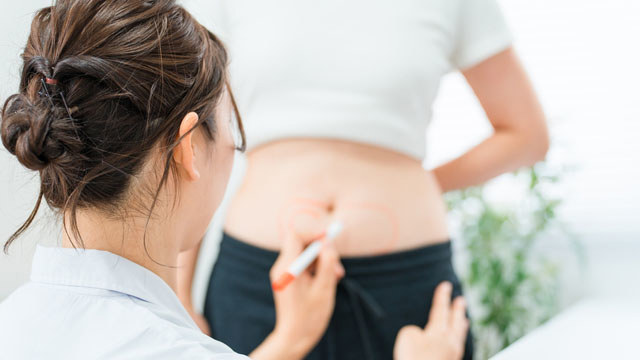
MODS CLINIC follows a structured, five-step care pathway for surgical and non-surgical treatments alike:
Pre-Consultation — Prospective patients share photos, medical history, and concerns in advance so the clinical team can prepare an appropriate treatment framework.
In-Clinic Diagnosis — Upon arrival, a direct evaluation of fat distribution, skin condition, and body structure is performed.
Doctor's Plan — Based on the diagnosis, the medical team designs a customized treatment plan, including which areas to treat and in what sequence.
Procedure — Liposuction is carried out according to the finalized, agreed-upon plan, using standard surgical protocols.
Aftercare Guide — Patients receive detailed instructions covering recovery timelines, precautions, and long-term maintenance, including continued guidance after returning to their home country.
This sequence reduces uncertainty for international patients with limited time in Korea, while ensuring each stage receives proper clinical attention. The pre-consultation stage is especially valuable for patients traveling from abroad, allowing much of the initial planning to happen remotely.
Doctor's Expertise and Clinical Oversight
Liposuction at MODS CLINIC is performed within a broader anti-aging and body contouring practice that emphasizes diagnosis before procedure selection. The medical team's approach centers on evaluating the underlying cause of a patient's concern — the location, volume, and character of fat tissue — before recommending a specific technique, considering whether skin elasticity, muscle tone, or fat depth is the dominant factor rather than routing every patient toward a single standard protocol. This same evaluative discipline applies consistently across the clinic's surgical and non-surgical offerings, from body contouring to facial lifting.
Hospital Strengths Supporting Safe Recovery
Several institutional factors support the recovery process at MODS CLINIC:
Official recognitions, including designation by the Korea Health Industry Development Institute as a facility frequently visited by foreign patients, and certification as a Gangnam-gu Medical Tourism Partner institution
Transparent care standards, including no additional charges based on nationality and the use of genuine, full-dose products only
Post-procedure progress checks performed before a patient's departure from Korea
Continued online consultation available after a patient returns home, supporting recovery monitoring across time zones and borders
These strengths matter most for international patients, who need reliable aftercare support even after leaving Korea — continuity of care across borders is treated as core to the clinic's service model, not an optional add-on.
Recovery Timeline: What to Expect
While individual healing varies by treatment area, extent of the procedure, and patient health, a general recovery pattern for liposuction typically includes:
First few days: Swelling, bruising, and mild discomfort are common. Compression garments are worn from the start to support tissue and reduce swelling.
First 1–2 weeks: Most visible bruising subsides, and patients can usually resume light daily activities, though strenuous exercise remains restricted.
2–6 weeks: Swelling continues to decrease, though it may fluctuate day to day. Most patients are cleared to resume moderate exercise toward the end of this window.
3–6 months: Final contouring results become more apparent as residual swelling resolves and the skin adjusts to the new tissue volume — a normal part of healing rather than a cause for concern.
Swelling does not resolve in a straight line — many patients notice the treated area looks best in the morning and more swollen by evening, especially early on. This is one reason clinics generally advise against judging final results until several months have passed.
Why Compression Garments Matter
After fat removal, the body is left with a temporary space between skin and underlying tissue where fat once was, and fluid can accumulate there. Compression garments apply steady, even pressure that reduces fluid buildup, encourages the skin to adhere smoothly to the new contour, and minimizes the risk of fluid pockets forming underneath. Compression is typically recommended for several weeks — wearing it inconsistently can reduce its effectiveness.
Do's for a Smooth Recovery

Do wear compression garments as instructed, since they help reduce swelling and support skin retraction.
Do stay hydrated and follow any dietary guidance provided by the clinical team.
Do attend all scheduled follow-up checks, including progress evaluations before departure.
Do gradually resume light walking, as gentle movement supports circulation and reduces the risk of blood clots.
Do follow wound care instructions precisely, including keeping incision sites clean as directed.
Do reach out through follow-up consultation channels if unusual symptoms arise after returning home.
Don'ts for a Smooth Recovery
Don't resume strenuous exercise or heavy lifting before medical clearance, as this can increase swelling or affect healing.
Don't skip compression garment wear, even if it feels uncomfortable, since inconsistent use can affect final contouring.
Don't smoke or consume alcohol during the early recovery period, as both can impair healing and circulation.
Don't expose treated areas to prolonged heat, such as saunas or hot baths, until cleared by the medical team.
Don't judge results too early, since swelling can temporarily obscure the true contour for several weeks.
Don't ignore warning signs such as significant pain, fever, or unusual discharge — these warrant prompt medical follow-up.
Safety Considerations and Realistic Outcomes
As with any surgical procedure, liposuction carries risks, including swelling, bruising, temporary numbness, asymmetry, or, less commonly, infection or fluid accumulation. Adherence to aftercare instructions, follow-up checks, and open communication with the clinical team all play a meaningful role in minimizing these risks and catching concerns early.
Patients should also maintain realistic expectations. Liposuction refines body contour rather than producing dramatic transformations, and is not designed to address significant skin laxity on its own. Results are best maintained through a stable weight afterward, since future weight gain can still affect the treated area even though the removed fat cells do not return.
Frequently Asked Questions
How long does liposuction swelling last, and will the fat come back? Initial swelling is most noticeable in the first two weeks, with gradual improvement over the following month or two, though subtle residual swelling can take three to six months to fully resolve. As for the fat itself, the specific cells removed do not regenerate — but significant weight gain afterward can still cause remaining fat cells elsewhere to enlarge, which is why maintaining a stable weight supports lasting results.
Conclusion
Liposuction recovery is an active process that shapes the final outcome as much as the procedure itself. At MODS CLINIC in Seoul's Art Building, a diagnostic-first treatment philosophy, structured aftercare pathway, and continued post-treatment support are designed to help patients recover safely and achieve natural, well-proportioned results. Patients considering liposuction are encouraged to schedule a consultation to discuss their specific concerns, candidacy, and a personalized recovery plan with the clinical team.
More Articles
Continue reading our clinical guides.

Understanding SMAS Face Lift
Understand how a SMAS face lift works, what it targets, recovery expectations, and potential results. Learn more about this advanced facial procedure.
Learn More
Liposuction Recovery: Do's and Don'ts for Patients
Navigate liposuction recovery with essential do’s and don’ts, healing tips, timelines, and aftercare guidance. Learn how to recover safely and confidently.
Learn More
Who Is a Candidate for Skin Booster & Microneedling (MTS)
Learn who is a candidate for Skin Booster & Microneedling (MTS), including skin concerns, benefits, and treatment suitability. Explore your options today.
Learn More