MODS CLINIC Apgujeong · Stem Cell & Anti-Aging Plastic Surgery


Medical Guide
Understanding SMAS Face Lift
Understand how a SMAS face lift works, what it targets, recovery expectations, and potential results. Learn more about this advanced facial procedure.
Schedule a ConsultationWhat Is a SMAS Face Lift?
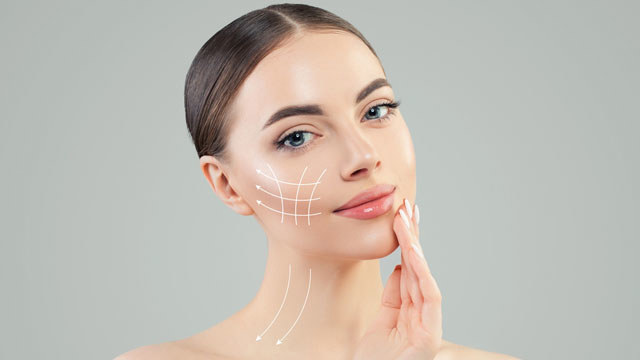
As skin ages, it doesn't just lose surface elasticity — the deeper support structure beneath it, known as the Superficial Musculoaponeurotic System (SMAS), also loosens and descends. This layer sits between the skin and the underlying facial muscles, forming a connective sheet that helps hold the mid-face, jawline, and neck in their original position. Over time, gravity, reduced collagen production, and the natural loss of facial volume cause this layer to stretch and shift downward, which is what produces many of the visible signs associated with an aging face.
A SMAS face lift is a surgical technique that addresses this deeper layer directly, rather than simply pulling and tightening the skin's surface. By repositioning and securing the SMAS layer itself, this approach is designed to produce a more natural, longer-lasting lift compared to methods that work on the skin alone. It is considered one of the more established techniques in facial rejuvenation surgery, having been refined over several decades of clinical practice and study.
Why the SMAS Layer Matters
Many visible signs of facial aging — sagging cheeks, a less defined jawline, deepening nasolabial folds, and a heavier appearance around the lower face — originate below the skin's surface. Addressing only the skin can create a temporary, sometimes unnatural tightness, since the underlying structure continues to sag independently. This is one of the reasons some skin-only lifting techniques produce results that look strained or that relapse relatively quickly.
Working with the SMAS layer allows the support structure and the skin to move together as a single unit, which is why this technique is often considered a foundational approach in facial rejuvenation surgery. Because the lift is anchored at a structural level rather than only at the skin, the resulting change in contour tends to hold its position more consistently over time, even as normal aging continues.
How It Differs from Other Lifting Approaches
Patients researching facial rejuvenation options often encounter several different terms — thread lifts, mini lifts, mid-face lifts, and full SMAS lifts — and it can be difficult to understand how they relate to one another. In general, thread lifts use dissolvable sutures to create a temporary lifting effect on the skin and superficial tissue, with results that are typically less pronounced and shorter-lived. A SMAS lift, by contrast, involves surgical repositioning of the deeper tissue layer itself, which is why it is generally reserved for more advanced degrees of sagging and is associated with more durable outcomes. Understanding this distinction is an important part of setting realistic expectations before pursuing any facial rejuvenation procedure.
Who Is a Good Candidate?
A SMAS face lift is generally considered for patients who show moderate to advanced signs of facial and jawline sagging that non-surgical treatments are unlikely to fully address. Candidacy is assessed on an individual basis, but common considerations include:
Noticeable descent of the mid-face or jowls
Loss of jawline definition
Deepening folds around the nose and mouth
Sufficient skin elasticity to support surgical repositioning
General good health, with no uncontrolled medical conditions that would elevate surgical risk
Realistic expectations about what the procedure can and cannot achieve
Non-smoking status, or willingness to pause smoking around the time of surgery, since smoking can affect healing
This procedure is not necessarily the right starting point for everyone. Patients with earlier-stage volume loss or mild skin laxity may be better suited to non-surgical lifting options first, such as ultrasound or radiofrequency-based skin tightening. Age alone is not the determining factor — two patients of the same age can have very different degrees of structural sagging depending on genetics, sun exposure history, weight fluctuation, and lifestyle. A thorough in-person evaluation, rather than a general age guideline, is the only reliable way to determine which approach fits a particular case.
How the Procedure Works
Pre-Procedure Evaluation
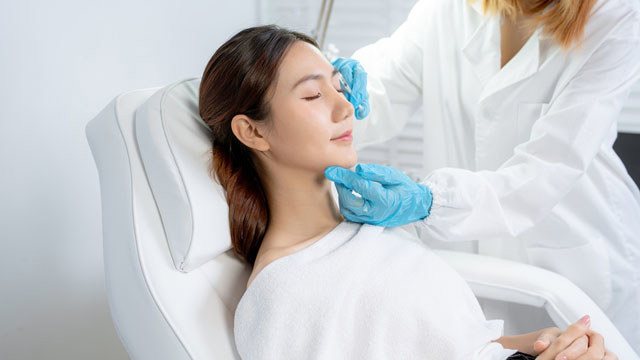
Before any surgical planning takes place, the medical team evaluates facial structure, skin quality, the degree and direction of sagging, and the patient's overall health, including a review of relevant medical history and any medications that could affect bleeding or healing. This diagnostic step is used to determine whether a SMAS lift, a more limited technique, or a combination approach — for example, pairing a SMAS lift with fat grafting or laser resurfacing — is appropriate for the individual's anatomy and goals.
Surgical Technique
During the procedure, incisions are typically placed along the hairline and around the ear, following natural contours to minimize visible scarring once healed. The SMAS layer is then carefully lifted, repositioned, and secured using sutures, after which excess skin is redraped over the newly supported structure and any excess is trimmed away. The exact extent of the lift — whether focused on the mid-face, lower face, jawline, or neck — is tailored to each patient's anatomy and the specific pattern of sagging identified during the pre-procedure evaluation.
Anesthesia and Duration
SMAS face lift surgery is generally performed under general or local anesthesia with sedation, depending on the scope of the procedure and the patient's preference in consultation with the surgical and anesthesia team. The procedure typically takes several hours to complete, and the specific duration depends on whether additional techniques are combined with the lift.
Recovery, Safety, and Realistic Outcomes
What Recovery Typically Involves
Swelling and bruising are expected in the days following surgery and generally begin to subside within one to two weeks, though some residual swelling can persist longer in areas where tissue was repositioned. Most patients require a period of reduced activity and are advised to avoid strenuous exercise, sun exposure, and pressure on the treated area during the initial recovery window. Sutures are typically removed within one to two weeks, and more visible results continue to develop gradually over the following weeks to months as swelling fully resolves and the tissues settle into their new position.
Safety Considerations
As with any surgical procedure, a SMAS face lift carries risks, including infection, prolonged swelling, temporary numbness, hematoma, or asymmetry. Because the technique involves work near facial nerve branches, there is also a small risk of temporary or, rarely, more lasting changes in facial movement, which is why surgical experience with this specific technique is an important factor for patients to consider. These risks are discussed in detail during pre-procedure consultation, and post-operative monitoring is used to catch and address any complications early, particularly in the first one to two weeks when most issues would be expected to appear.
Setting Realistic Expectations
A SMAS face lift is designed to produce a natural-looking improvement in facial contour rather than a dramatic transformation. Results vary depending on individual anatomy, skin quality, and age, and the procedure does not stop the aging process — it addresses sagging that has already occurred at the time of surgery, and normal aging continues afterward. Most patients can expect the effects of a well-performed SMAS lift to last significantly longer than non-surgical alternatives, though the exact duration varies by individual. Patients considering this surgery should discuss expected outcomes, including how long results are likely to last and what future maintenance might involve, in detail with their surgical team beforehand.
MODS CLINIC's Approach to Facial Rejuvenation
MODS CLINIC, located in Seoul's Art Building (2nd and 4th floors) in Gangnam, structures its facial rejuvenation care around a diagnostic-first philosophy: identifying the specific cause and pattern of sagging before recommending a surgical or non-surgical pathway. This means a SMAS face lift is considered alongside other options — including thread lifts, laser and radiofrequency-based lifting technologies such as Ultherapy and Thermage FLX, and combination approaches — based on what each patient's facial structure, skin condition, and goals actually require, rather than defaulting to a single standard procedure.
The clinic's five-step patient process — pre-consultation, in-clinic diagnosis, treatment planning, procedure, and aftercare — is designed to give international patients a clear, structured path from initial evaluation through recovery. This includes post-procedure progress checks before departure and continued consultation after returning to their home country, which can be particularly relevant for surgical patients who need to monitor healing over several weeks. MODS CLINIC's recognition as a Gangnam-gu Medical Tourism Partner institution and its designation by the Ministry of Health and Welfare reflect institutional standards that patients may wish to factor into their research when comparing surgical providers.
A Note on Choosing a Surgical Provider
Because a SMAS face lift is a surgical procedure with permanent structural changes, choosing where to have it done deserves careful consideration. Patients are encouraged to review a clinic's certifications, ask detailed questions about the surgical team's specific experience with the SMAS technique, request before-and-after examples of comparable cases, and seek a clear, individualized explanation of what the procedure can and cannot achieve given their own facial anatomy. A thoughtful consultation — one that includes an honest discussion of risks alongside expected benefits — is generally a reliable indicator of a provider's approach to patient care.
More Articles
Continue reading our clinical guides.
Understanding SMAS Face Lift
Understand how a SMAS face lift works, what it targets, recovery expectations, and potential results. Learn more about this advanced facial procedure.
Learn More

Liposuction Recovery: Do's and Don'ts for Patients
Navigate liposuction recovery with essential do’s and don’ts, healing tips, timelines, and aftercare guidance. Learn how to recover safely and confidently.
Learn More
Who Is a Candidate for Skin Booster & Microneedling (MTS)
Learn who is a candidate for Skin Booster & Microneedling (MTS), including skin concerns, benefits, and treatment suitability. Explore your options today.
Learn More