MODS CLINIC Apgujeong · Stem Cell & Anti-Aging Plastic Surgery

Medical Guide
Who Is a Candidate for Skin Booster & Microneedling (MTS)
Learn who is a candidate for Skin Booster & Microneedling (MTS), including skin concerns, benefits, and treatment suitability. Explore your options today.
Schedule a ConsultationWho Is a Candidate for Skin Booster & Microneedling (MTS) at MODS CLINIC?
Understanding Skin Booster and Microneedling (MTS) Treatment
Dull, dehydrated, or textured skin is one of the most common concerns patients raise during aesthetic consultations. Over time, factors such as cumulative sun exposure, natural aging, chronic stress, poor sleep, and environmental pollutants gradually reduce the skin's ability to retain moisture and regenerate collagen at a healthy rate. This decline often shows up as fine lines, uneven tone, enlarged pores, rough texture, or a generally tired-looking complexion — even in patients who maintain a consistent skincare routine.
This happens because skin health is not determined by surface hydration alone. The dermis, the deeper structural layer beneath the visible skin surface, contains the collagen and elastin fibers responsible for firmness and resilience. As collagen production slows with age — a process that typically accelerates after the mid-to-late twenties — the skin gradually loses its ability to bounce back from daily environmental stress, resulting in the textural and tonal changes many patients notice over time.
Skin boosters and microneedling therapy (MTS, or Microneedling Therapy System) are two of the most widely used non-surgical approaches to addressing these concerns. While they work through different mechanisms, both are designed to improve skin quality from within rather than simply masking surface-level issues. At MODS CLINIC in Gangnam, Seoul, these treatments are offered as part of a broader skin rejuvenation category, often combined with a diagnostic-first approach to determine which method — or combination of methods — is appropriate for each patient's specific skin condition and goals.
What Are Skin Boosters and Microneedling (MTS)?
Skin boosters are injectable treatments, typically based on lightly cross-linked or non-cross-linked hyaluronic acid, that are delivered in small, evenly distributed amounts across the skin's mid-to-deep dermal layer. Unlike dermal fillers, which are used to add volume or contour specific areas such as the cheeks or under-eye region, skin boosters are intended to improve overall hydration, elasticity, and texture across a broader surface area, such as the full face, neck, décolletage, or hands. Because hyaluronic acid naturally attracts and retains water molecules, these injections help restore the skin's internal moisture reserves, which can improve both appearance and skin barrier function over time.
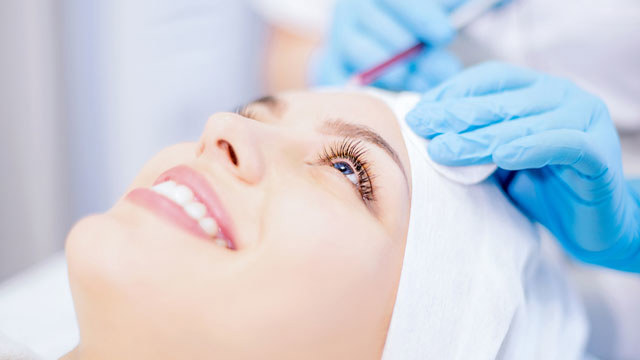
Microneedling (MTS) uses fine, sterile needles — often arranged on a rolling device or a motorized pen-style instrument — to create controlled, microscopic injuries in the skin's surface. This process triggers the body's natural wound-healing cascade, which includes the release of growth factors and the stimulation of fibroblasts, the cells responsible for producing new collagen and elastin. Microneedling can be performed on its own, or used as a delivery method to help topical serums, growth factor solutions, or skin boosters penetrate more effectively into the dermis, a technique sometimes referred to as "needle-assisted delivery."
When used together, these two approaches are often considered complementary: microneedling addresses skin texture, pore appearance, and mild scarring by encouraging structural regeneration, while skin boosters replenish hydration and support long-term skin quality at a cellular level. Many treatment plans combine both methods in a single session or alternate between them across a treatment series, depending on the patient's diagnostic findings.
Who Is a Suitable Candidate?

Not every patient requires the same treatment, which is why an in-person evaluation is an important step before any procedure is scheduled. Generally, candidates who may benefit from skin booster and microneedling therapy include those experiencing:
Dehydrated or dull-looking skin that does not respond well to topical products alone
Fine lines and early signs of aging, particularly around the eyes, forehead, or cheeks
Uneven skin texture, rough patches, or enlarged pores
Mild atrophic scarring, including some types of acne scarring
Uneven pigmentation or a lackluster overall skin tone
A desire for gradual, natural-looking improvement rather than dramatic or sudden change
These treatments are generally considered for adults in reasonably good skin health who understand that results build progressively over a series of sessions rather than appearing after a single visit. However, they may not be appropriate for individuals with active skin infections, open wounds, certain inflammatory skin conditions such as active eczema or psoriasis flare-ups in the treatment area, or keloid-prone scarring tendencies. Individuals who are pregnant or breastfeeding are also generally advised to postpone these treatments, as safety data in these groups remains limited.
Patients taking blood-thinning medication, aspirin, or certain supplements, as well as those with a history of bleeding disorders, should disclose this information during consultation, as it may affect suitability, increase bruising risk, or require additional precautions such as temporarily adjusting medication under a physician's guidance. Patients with a history of cold sores may also require preventive antiviral medication prior to treatment, as the micro-injury process can occasionally trigger a flare-up.
Because individual skin conditions vary widely — even between patients with seemingly similar complaints — MODS CLINIC's diagnostic-first philosophy applies here as well: a proper evaluation of skin elasticity, hydration levels, pore condition, and any underlying concerns is conducted before determining whether skin boosters, microneedling, or a combination approach is most suitable for a given patient.
The Procedure Process
Treatment at MODS CLINIC generally follows a structured, multi-step process designed to ensure consistency and safety at every stage:
Step 1: Pre-Consultation
Patients are asked to share their skin concerns, relevant medical history, current medications, and any photos in advance, allowing the clinic to prepare an appropriate treatment framework before an in-person visit. This is especially useful for international patients coordinating a limited travel schedule.
Step 2: In-Clinic Diagnosis
Upon arrival, a direct evaluation of skin condition, hydration levels, pore size, and texture is performed, often supported by close visual and tactile assessment. This step helps confirm whether skin boosters, microneedling, or a combined approach best fits the patient's needs, and helps rule out any contraindications that may not have been apparent from photos alone.
Step 3: Treatment Planning
Based on the diagnosis, the medical team outlines a treatment plan, including the recommended number of sessions, the expected interval between them (commonly three to four weeks apart), and whether any complementary treatments, such as topical serums or LED therapy, may support the overall outcome.
Step 4: Procedure
For microneedling, a topical numbing agent is typically applied for approximately 20 to 30 minutes before the device is used across the treatment area, helping to minimize discomfort. For skin boosters, the product is injected in small, evenly distributed amounts using fine needles or, in some cases, a specialized micro-cannula technique. Sessions generally take between 30 and 60 minutes, depending on the treatment area, technique, and whether both methods are combined in a single visit.
Step 5: Aftercare Guidance
Patients receive detailed instructions on post-treatment skincare, including gentle cleansing, avoiding active ingredients such as retinoids for a short period, and diligent sun protection. Guidance is also provided for continued care after returning to their home country if traveling from abroad, including how to recognize normal healing versus signs that may warrant follow-up.
The Role of the Medical Team
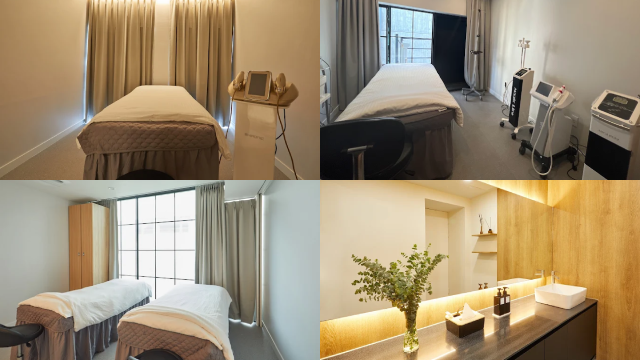
At MODS CLINIC, treatment planning is not based on a predetermined procedure but on an individualized assessment of each patient's skin condition and goals. The clinic's medical team evaluates factors such as skin elasticity, texture, hydration, and pore condition before recommending a specific treatment pathway, reflecting the clinic's broader philosophy of identifying the underlying cause of skin concerns before selecting a solution. This evaluation-first approach is intended to reduce the likelihood of mismatched treatment choices and to help set realistic expectations from the outset.
Why MODS CLINIC
MODS CLINIC has been recognized by the Korea Health Industry Development Institute as a medical institution frequently visited by foreign patients and is certified as a Gangnam-gu Medical Tourism Partner institution. The clinic has also been designated by the Ministry of Health and Welfare as an Advanced Regenerative Medicine institution, reflecting its broader focus on regenerative and skin-quality-oriented treatment approaches.
The clinic emphasizes transparency in its care standards, including strict use of genuine, full-dose products, product certification provided after treatment, and post-procedure progress checks before a patient's departure. For international patients, continued online consultation and care guidance are available after returning home, supporting consistency throughout the recovery period. This structure is intended to support both local and international patients through a consistent, honest standard of care, regardless of nationality or travel schedule.
Recovery, Safety, and Realistic Outcomes
Recovery time varies depending on the specific treatment received. Skin boosters typically involve minimal downtime, with possible mild redness, minor swelling, or small bumps at injection sites that usually resolve within a day or two. Microneedling may cause temporary redness and slight sensitivity resembling a mild sunburn, generally subsiding within two to four days, though some patients experience mild flaking as the skin renews itself. Patients are usually advised to avoid direct sun exposure, saunas, intense exercise, and heavy makeup application during the initial recovery window to support proper healing.
It is important for patients to maintain realistic expectations. These treatments are generally geared toward gradual improvement in skin hydration, texture, and tone rather than dramatic, immediate transformation. Most patients require a series of sessions, typically spaced several weeks apart, to achieve and maintain noticeable results, with visible improvements in skin quality often becoming more apparent after the second or third session as collagen remodeling progresses. Individual outcomes can vary based on skin type, age, baseline skin condition, lifestyle factors such as sun exposure and smoking, and adherence to aftercare guidance.
As with any aesthetic procedure, patients considering skin booster or microneedling treatment should discuss their full medical history, expectations, and any concerns directly with the clinic during an in-person consultation before proceeding, to ensure the treatment plan is appropriately tailored to their individual skin condition.
More Articles
Continue reading our clinical guides.

Understanding SMAS Face Lift
Understand how a SMAS face lift works, what it targets, recovery expectations, and potential results. Learn more about this advanced facial procedure.
Learn More

Liposuction Recovery: Do's and Don'ts for Patients
Navigate liposuction recovery with essential do’s and don’ts, healing tips, timelines, and aftercare guidance. Learn how to recover safely and confidently.
Learn More
Who Is a Candidate for Skin Booster & Microneedling (MTS)
Learn who is a candidate for Skin Booster & Microneedling (MTS), including skin concerns, benefits, and treatment suitability. Explore your options today.
Learn More