MODS CLINIC Apgujeong · Stem Cell & Anti-Aging Plastic Surgery


Deep Layer Facelift (SMAS Facelift) · Needs Clinic Confirmation
SMAS Face Lift
SMAS facelift surgery is a surgical face lifting procedure built around dissecting and lifting the SMAS (superficial musculoaponeurotic system) — the fascia layer beneath the skin that provides the face's underlying structural support.
Schedule a ConsultationOverview of SMAS Face Lift in Face Lifting

SMAS facelift surgery is a surgical face lifting procedure built around dissecting and lifting the SMAS (superficial musculoaponeurotic system) — the fascia layer beneath the skin that provides the face's underlying structural support. Rather than pulling only the skin surface, the SMAS facelift approach follows a conventional, surgically established technique: the SMAS layer is carefully dissected, lifted, and secured, after which excess sagging or wrinkled skin is trimmed and sutured according to the patient's individual condition.
This distinction matters clinically. When only the skin is pulled, patients typically see a temporary lifting effect, but the underlying cause of facial sagging — a loosened fascia layer — remains unaddressed, and the surface-level tightening tends to relax again over time. When the SMAS layer itself is lifted along with the skin, both the structural cause and the visible symptom of sagging are addressed together, which is why this approach is generally associated with a more thorough and durable correction than skin-only or non-surgical lifting alone.
Who Needs SMAS Face Lift Treatment?
SMAS facelift surgery is generally considered by patients whose facial sagging has progressed beyond what non-surgical treatments can meaningfully address. Common patient profiles include:
- Adults typically in their 40s–60s with noticeable jowls or sagging along the lower cheek and jawline
- Patients bothered by deepening nasolabial folds or sagging mouth-corner wrinkles
- Individuals with sagging neck skin or a loss of jaw-to-neck definition
- Patients who previously tried laser treatments or thread lifting and were not satisfied with the results or their longevity
- Those who have experienced new or worsening sagging following a previous cosmetic procedure
- Patients seeking a longer-lasting lifting outcome than non-surgical options are able to provide
- Individuals who understand and accept the longer recovery period associated with surgical lifting in exchange for a more fundamental correction
- Patients who want a treatment plan customized to their specific degree of sagging rather than a single standardized approach
Meet the Specialists in Face Lifting
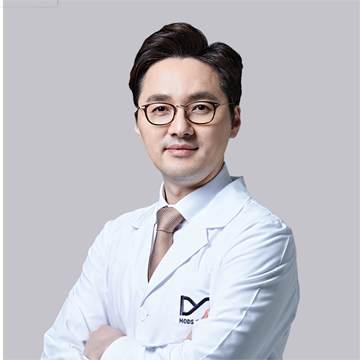 |
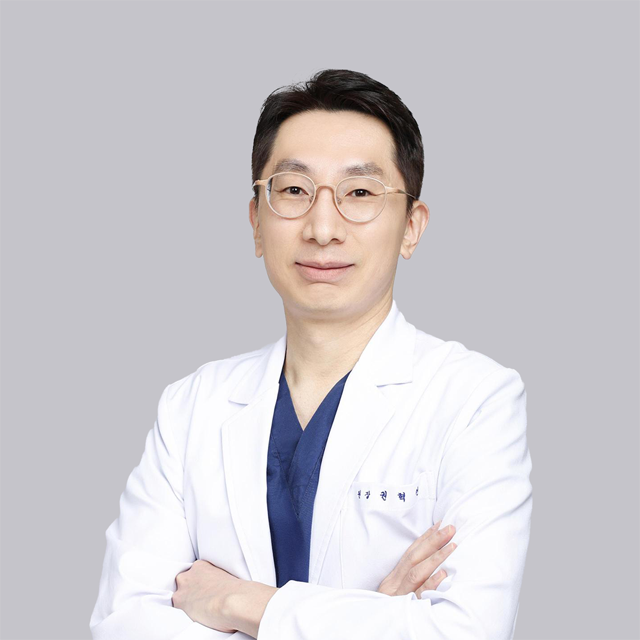 |
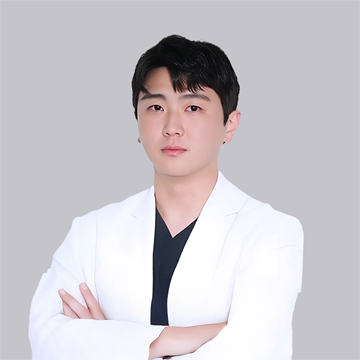 |
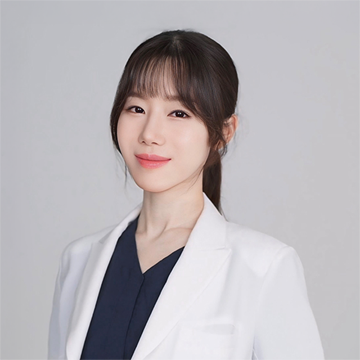 |
 |
|---|---|---|---|---|
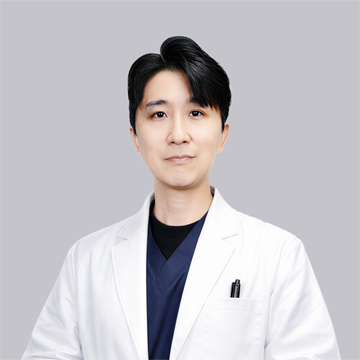
| Dr. Seung Yong Son Anti-aging Medicine Doctor | Dr. Hyuk Cheon Kwon Dermatology Doctor | Dr. Tae Young Kim Dermatology Doctor | Dr. Mi Jin Kim Dermatology Doctor | Dr. Je Yeon Lee Dermatology Doctor |
MODS CLINIC's face lifting surgery is performed by a team of five directors, each contributing distinct expertise to the SMAS facelift process.
Dr. Seung Yong Son, Medical Director, holds an M.D. from the University of Ulsan College of Medicine and serves as Vice President of the Korean Society for Aesthetic Plastic Surgery. He is an Official Advisory Physician for Sinclair Korea, Solta Medical, Merz Korea, and Galderma Korea, and a Key Opinion Leader for Dongbang Medical Sili Lifting, bringing over 17 years of clinical experience in anti-aging and lifting medicine, including surgical facelift procedures.
Dr. Hyuk Cheon Kwon, Director, is a founding member of the Korean Association of Aesthetic Physicians, focusing on lifting procedures for patients in their 20s and 30s, with an emphasis on early-stage, natural-looking correction.
Dr. Tae Young Kim, Director, is a member of the Korean Society of Cosmetic Laser Medicine and combines lifting procedures with skin regeneration treatments, supporting post-surgical skin condition and recovery.
Dr. Mi Jin Kim, Director, is a full member of the Korean Society of Aesthetic Plastic Surgery and Laser Medicine, known for refined, natural facial line design across lifting and contouring procedures.
Dr. Je Yeon Lee, Director, brings a background as a former Clinical Instructor in the Department of Otolaryngology at Asan Medical Center and is a member of the Korean Society of Facial Plastic and Reconstructive Surgery, with particular attention to facial nerve anatomy relevant to safe SMAS dissection.
Across the team, the shared care philosophy centers on structural, diagnosis-first correction — identifying the true depth of sagging before determining whether surgical SMAS lifting, rather than a non-surgical alternative, is appropriate for the patient.
SMAS Face Lift Treatment Areas and Expected Improvements
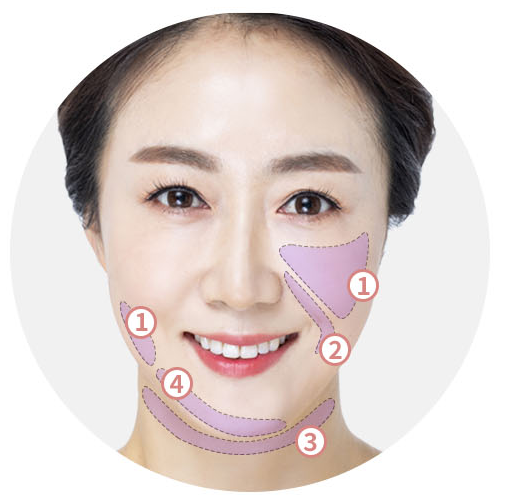
- Cheeks and Jowls: For patients with sagging cheek fat or a heavier lower-face profile, SMAS lifting repositions the fascia layer supporting the cheek, addressing sagging often described as a "bulldog" appearance rather than only tightening the skin over it.
- Jawline: A collapsed or poorly defined jawline is one of the primary indications for SMAS facelift surgery. By lifting the fascia layer along the lower face, the procedure aims to restore a clearer, more continuous jawline contour rather than a temporary surface pull.
- Nasolabial Folds and Mouth Corners: Sagging tissue contributing to deepened nasolabial folds or drooping mouth corners is addressed by repositioning the underlying support structure, which may reduce the appearance of these folds as a secondary effect of overall facial repositioning.
- Neck: Where neck skin has become lax, SMAS facelift technique may extend to address sagging in this area as part of a broader lift, improving the transition between jaw and neck.
Expected improvements generally include a more defined jawline, reduced jowl and cheek sagging, and an overall more lifted facial contour. Because the SMAS layer itself is repositioned, results are generally expected to be more durable than skin-only or non-surgical lifting approaches. As with any facelift surgery, the degree and duration of improvement varies by individual, and no specific outcome is guaranteed.
SMAS Face Lift Treatment Process and Timeline
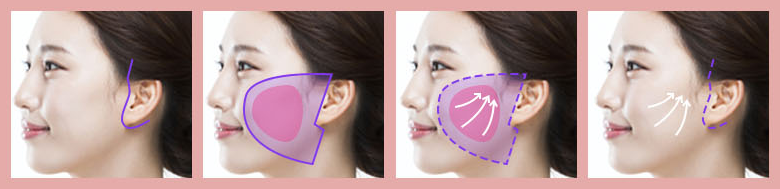
Understanding the surgical process can help patients prepare for what a SMAS facelift involves.
- Consultation and Facial Assessment: The treating director evaluates the degree and pattern of sagging, skin quality, and facial structure to determine whether SMAS facelift surgery, or a less invasive alternative, is appropriate.
- Incision Planning: A delicate incision line is planned along the inner scalp and front-of-ear area, positioned to minimize visible scarring.
- SMAS Dissection and Lift: The SMAS (fascia) layer is carefully dissected with attention to facial nerve preservation, then lifted and secured in position.
- Skin Trimming and Closure: Excess sagging or wrinkled skin is trimmed according to the new facial contour, and the incision is closed with careful suturing.
- Immediate Aftercare: Patients receive dedicated post-operative monitoring, including 1:1 progress checks and intensive swelling management such as radiofrequency care or anti-swelling injections. Swelling and bruising in the treated area is common in the initial recovery period.
- Follow-Up and Scar Management: Ongoing follow-up includes scar management support (scar laser, scar ointment, or scar injections as needed) and monitoring of the surgical result as swelling resolves over the following weeks.
SMAS Face Lift Results, Safety, and Longevity
Because SMAS facelift surgery repositions the fascia layer responsible for facial structure rather than tightening skin alone, results are generally expected to be more durable than non-surgical lifting methods, though the exact duration varies by individual factors such as skin quality, age, and lifestyle. This is a surgical procedure, and recovery involves a longer initial downtime than non-surgical alternatives.
Facial nerve preservation during SMAS dissection is a central safety consideration in this procedure, and MODS CLINIC's surgical approach is built around careful, precise dissection technique for this reason. As with any surgical facelift, temporary side effects such as swelling, bruising, and discomfort during the initial recovery period are common, and while serious complications such as nerve injury or infection are uncommon with careful technique, they cannot be entirely ruled out. MODS CLINIC's surgical warranty system provides one year of care in the event medical complications arise, and patients are encouraged to discuss their individual risk profile in detail during consultation.
Why Choose MODS CLINIC for SMAS Face Lift Surgery
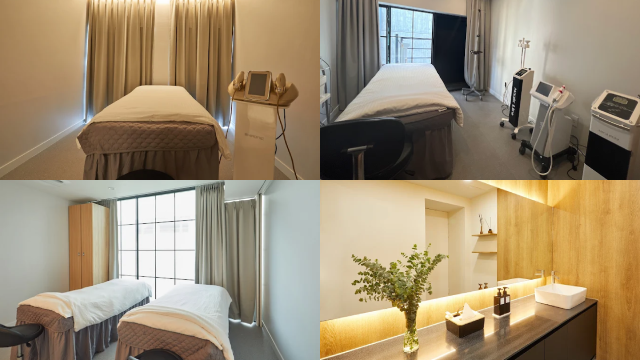
MODS CLINIC has built its surgical facelift practice around a single clinical priority: lifting the SMAS layer itself, not just the skin, for a more fundamental correction of facial sagging. This is reflected in the clinic's Anti-Aging Category Consumer Satisfaction Award recognition and its status as a certified hospital safeguarding against surrogate surgery, with emergency equipment and CCTV monitoring in place for patient safety.
The clinic's five-director team brings complementary expertise to the surgical process — from Dr. Son's 17+ years in anti-aging medicine and advisory roles with major aesthetic device manufacturers, to Dr. Lee's otolaryngology-trained understanding of facial nerve anatomy relevant to safe SMAS dissection, alongside directors focused on skin regeneration and facial line refinement to support the surgical result. MODS CLINIC is located in Gangnam, Seoul, and maintains a comfortable, English-accessible environment for international patients.
Clinic USPs:
- SMAS-layer surgical technique addressing the structural cause of sagging, not just surface skin
- Facial-nerve-conscious dissection technique informed by a director with otolaryngology training
- Anti-Aging Category Consumer Satisfaction Award recognition with 10+ years of lifting experience
- Structured aftercare including 1:1 post-op monitoring, swelling and scar management, and a one-year surgical warranty system
Real Patient Examples
Jawline and Jowl Sagging Patient, 50s
This patient was concerned about a collapsed jawline and persistent jowl sagging that had not improved with prior thread lifting. Following facial assessment, SMAS facelift surgery was performed to lift the fascia layer along the lower face and jawline. During recovery, the dedicated aftercare program supported swelling management, and the patient noted a more defined jawline once initial swelling resolved.
Neck and Lower Face Sagging Patient, 60s
Concerned about sagging neck skin and a loss of definition between jaw and neck, this patient underwent SMAS facelift surgery extending to the neck area. Supported by scar and swelling management protocols during recovery, the patient reported an improved jaw-to-neck contour at follow-up.
As with all surgical cases, individual results, recovery timelines, and outcomes vary, and no result is guaranteed.
Ready to Address Facial Sagging at Its Structural Source?
If skin-only treatments haven't given you lasting results, the issue may be structural, not just superficial. A SMAS facelift consultation can help you understand whether your degree of sagging calls for surgical correction, and what that process would look like for your specific facial structure. At MODS CLINIC, every recommendation is based on an honest assessment of your facial anatomy and sagging pattern — not a predetermined package — supported by a surgical team experienced in SMAS technique and a full aftercare program from surgery through long-term recovery.
[Book Your SMAS Facelift Consultation]
Prefer to speak with someone directly? Call our patient coordination team to schedule an evaluation with one of our five directors and discuss whether SMAS facelift surgery is the right fit for your facial structure.
Other Services
Explore additional treatments offered by our specialists.
Sub-Brow Lift
A sub-brow lift is a brow lifting technique that addresses a drooping or heavy brow through an incision placed directly along the lower edge of the eyebrow, rather than higher up on the forehead or at the hairline.
Learn More
Premium 2-Week Stem Cell Program
The Premium 2-Week Stem Cell Program is a structured, extended regenerative medicine offering that combines stem cell therapy with supportive treatment over a defined two-week period.
Learn More
Lower Eyelid Fat Repositioning
Lower eyelid fat repositioning is an eyelid surgery technique that addresses under-eye bags by relocating the eye's natural fat pads rather than removing them entirely.
Learn More